What Is A Gutter Guard Installation?
A gutter guard installation is the process of fitting a protective cover or screen over an existing rain gutter system. The primary goal of a gutter guard is to prevent debris such as leaves, pine needles, shingle grit, and small twigs from entering and clogging the gutter trough and downspout while still allowing rainwater to flow freely into and away from the foundation of the building.
Purpose of Gutter Guards
Gutter guards serve several essential functions:
- Prevent Clogs: They are highly effective at stopping solid debris from accumulating inside the gutters, which is the main cause of blockages.
- Reduce Maintenance: By keeping gutters clean, the need for frequent, time-consuming, and potentially dangerous manual gutter cleaning is drastically reduced or eliminated.
- Protect Against Water Damage: Clogged gutters can cause water to overflow, pooling around the foundation, damaging landscaping, eroding soil, and leading to basement flooding or wood rot in fascia and soffits. Guards mitigate this risk.
- Deter Pests: They can help prevent rodents, birds, and insects from building nests inside the gutters and downspouts.
- Extend Gutter Lifespan: By preventing standing water and trapped, decaying organic matter, gutter guards reduce corrosion and premature wear on the gutter system itself.
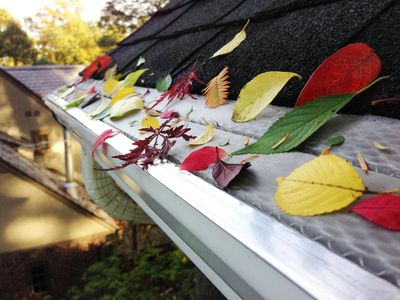
Types of Gutter Guards
There are several common types of gutter guards, each with different materials, installation methods, and effectiveness profiles:
Mesh/Screen Guards
These are typically affordable and consist of a fine or coarse metal or plastic screen that snaps, clips, or slides over the top of the gutter.
- Pros: Easy to install, good for large debris.
- Cons: Finer debris (like pine needles or shingle grit) can still pass through or stick to the screen, requiring occasional brushing.
Surface Tension/Reverse Curve Guards
These guards utilize the principle of surface tension. Water follows the curved nose of the guard into the gutter opening, while debris slides off and falls to the ground.
- Pros: Excellent at shedding large volumes of debris, very durable.
- Cons: Can be expensive, must be installed at a specific angle and pitch to function correctly, and heavy rainfall can sometimes cause water to overshoot the curve.
Foam Guards
These are triangular pieces of porous foam that fit snugly inside the gutter trough. Water filters through the foam, while debris stays on top.
- Pros: Simple to cut and install, inexpensive.
- Cons: The foam can break down over time, small particles can get trapped in the pores, and the foam itself can foster mildew growth.
Fine Mesh/Micro-Mesh Guards
These are high-performance screens, often made of stainless steel, featuring extremely small holes (microns wide) to block even shingle grit and tiny seeds.
- Pros: Offers the highest level of protection against all debris types.
- Cons: Generally the most expensive option, can sometimes require professional installation.
Brush Guards
These look like large pipe cleaners or bottle brushes that sit inside the gutter. Debris rests on top of the bristles while water flows past.
- Pros: Very easy DIY installation, simple concept.
- Cons: Can become clogged and difficult to clean, and the bristles themselves can trap debris.
The Installation Process
While the specifics vary by product type, a professional gutter guard installation typically involves the following steps:
- Gutter Cleaning: The existing gutters must be thoroughly cleaned of all existing debris, sludge, and standing water.
- Inspection and Repair: The entire gutter system (troughs, downspouts, fascia, and soffits) is inspected. Any necessary repairs, such as sealing leaks, re-pitching the gutters, or securing loose hangers, are completed.
- Guard Fitting: The gutter guard material is measured, cut, and fitted to the specific dimensions of the gutter system.
- Securing the Guards: Depending on the type, the guards are secured using screws, clips, brackets, or adhesives. Proper installation ensures the guards remain firmly attached during high winds, heavy rain, and snow.
- Final Inspection: A water test may be performed to ensure the system is flowing correctly and there is no debris blockage or water pooling.
